
External Hemorrhoids: A tail between my legs
about 5% of Americans have hemorrhoids (external and/or internal) at some point.
External hemorrhoids can be embarrassingly stubborn to talk about, but the moment you notice a lump or a fluttering ache near the anus you’re not alone. It’s a surprisingly common hiccup in everyday life—millions of people experience it at some point, and most of the time it settles with simple care, not a dramatic medical epic. If you’re worried, a quick chat with a clinician can calm nerves and rule out anything more serious. So yes, your tail-between-my-legs moment is relatable, but it doesn’t have to define your day. The goal here is to acknowledge the awkwardness, reassure you that relief is typically possible, and guide you toward understanding what’s going on rather than spiraling into the worst-case scenario.
Externally, hemorrhoids aren’t monsters hiding under the skin; they’re swollen veins in the tissue around the anus. When the area is irritated or under pressure—think of straining during a stubborn bathroom visit, heavy lifting, or pregnancy—these veins can swell, become tender, and feel like a lump or bump just outside the anal opening. You might notice itching, a dull ache, or even blood on toilet paper, but the symptoms are usually limited to the exterior skin and are highly treatable with gentle care. In plain terms, it’s a vascular cushion’s inflammatory moment rather than a mysterious disease. The key is that they’re outside the anal canal, which distinguishes them from internal hemorrhoids and makes the symptoms more visible on the surface.
From a practical standpoint, the good news is that most episodes resolve with simple self-care and a few lifestyle tweaks, and a clinician can confirm the diagnosis and outline safe options if symptoms persist. Recognizing External hemorrhoids for what they are—an irritated, bloated area around the anus rather than a mysterious defect—helps you plan calmly rather than panic. If you’ve ever feared you’d have to endure this silently, rest easy: awareness and early, gentle management go a long way, and the path back to comfort is usually clearer than it feels in the moment.
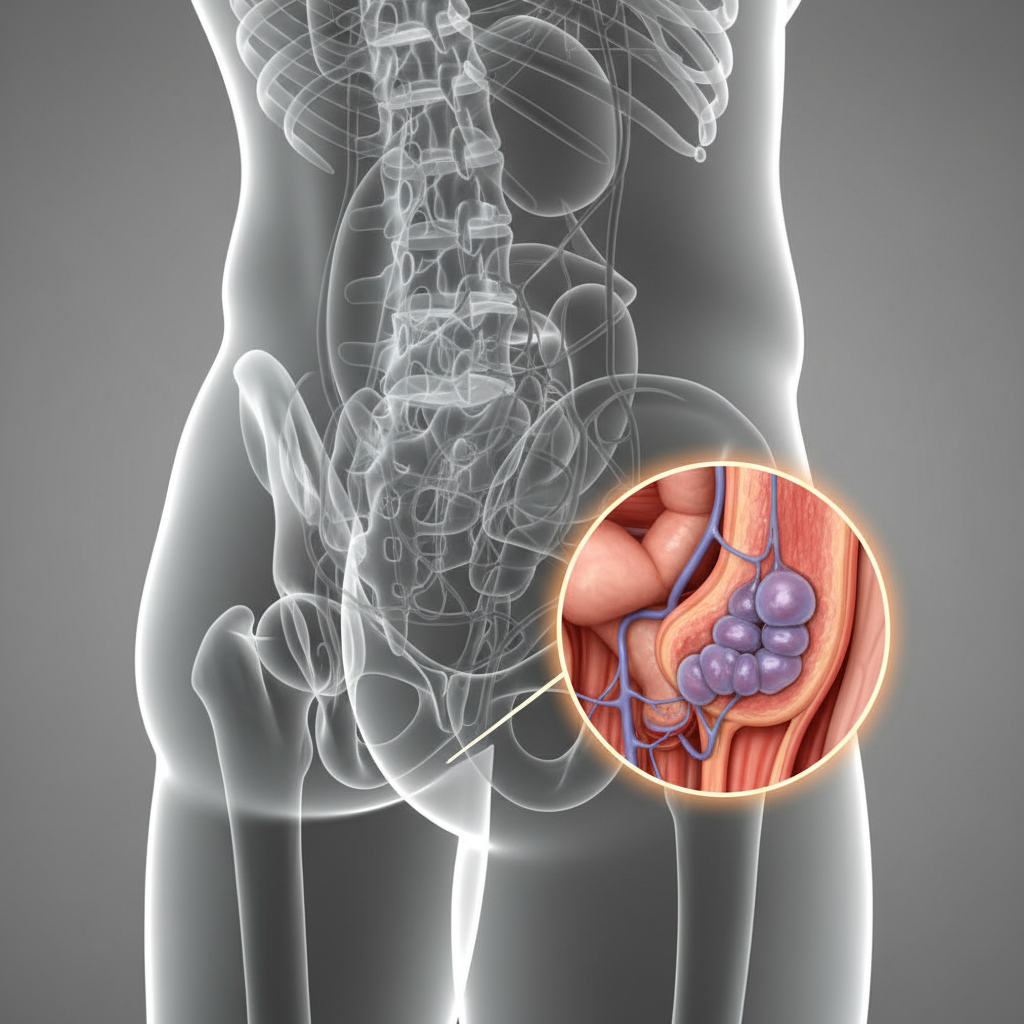
Symptoms & Causes
People often notice a lump at the edge of the anus, along with itching, discomfort, or bleeding during wiping. The sensation can feel like a tender bulge or bump just outside the anal opening, and many describe it as a pressure or ache that worsens with activity. The underlying mechanism is that swollen veins in the anal region become inflamed from strain or irritation, causing surface tenderness and visible tissue bump near the opening. In short, symptoms come from swollen veins near the edge of the anus, not from a mystery zinger hiding inside—this is how you’d feel if you can touch or see the affected area.
Risk Factors
Risk tends to be higher with aging, constipation/straining, pregnancy, and prolonged sitting, though plenty of people with these factors still don’t get hemorrhoids. Other contributors can include a sedentary lifestyle and obesity, which put extra pressure on the venous plexus around the anus.
Table of Contents
Recognizing when External Hemorrhoids need care
In most cases, External hemorrhoids are not a cause for serious concern and tend to improve with home care and simple lifestyle tweaks.
That said, certain signs mean you should seek medical evaluation to rule out other conditions and to confirm the best treatment plan. If you experience a sudden, severe increase in pain with a hard, tender lump, or you notice heavy or persistent bleeding, fever, redness spreading from the area, or pus, contact a clinician promptly. You should also seek care if the lump or symptoms persist for more than a week, you are pregnant, you have age-related risk factors, or you have a history of inflammatory bowel disease, as these scenarios may require professional assessment.
For at home relief, gentle hygiene and non irritating care help most people recover quickly. Take warm sitz baths for 10 to 15 minutes several times a day, especially after bowel movements; keep the area clean and dry; pat—not rub—dry after washing; avoid scented soaps, alcohol-based wipes, and tight clothing that rubs the area. Use soft, damp wipes or a gentle cleanser, and consider increasing fiber and fluids to soften stools and reduce straining. Over the counter topical products or a light protective barrier can ease itching and discomfort, but avoid applying strong steroids or medicated creams without guidance, particularly around exposed skin. If symptoms improve with these measures, gradual return to normal activities is often all that is needed.
Remember that this information is not a substitute for professional advice. When in doubt or if anything feels off beyond typical irritation, a quick check with a clinician can provide reassurance and tailor treatment to your situation.
Beyond hemorrhoids: spotting mimics near the anus
Symptoms like a lump, itching, and discomfort can overlap with several other conditions in the anal region, not just external hemorrhoids. A skin irritation from dermatitis, a skin tag (skin tag), a anal fissure, or even a small abscess can feel similar at first glance. In rare cases, what you feel could be something more serious, so it’s reasonable to consider these possibilities without panicking.
Common mimics near the anal area
Several conditions can mimic external hemorrhoids. Skin irritation or dermatitis around the opening can cause itching, redness, and a tender sensation that may be mistaken for swelling. Skin tags—benign folds of skin—can present as a lump that’s easily confused with a hemorrhoid. An anal fissure is a small tear in the lining of the anal canal that often causes sharp pain with bowel movements and a visible slit rather than a bulging lump. Infections or an abscess can produce redness, warmth, swelling, and drainage; these typically demand prompt evaluation. Less commonly, unusual growths or infections might appear as a mass near the edge of the anus. A clinician’s exam can usually distinguish these from external hemorrhoids by appearance and, if needed, simple tests.
When to seek evaluation
You should seek medical care if you notice severe or increasing pain, a lump that’s hard or grows, fever, spreading redness, pus, or bleeding that is heavy or persistent. Persistent symptoms beyond about a week, a history of inflammatory bowel disease, pregnancy, or age-related risk factors also merit professional assessment. If you’re unsure whether what you’re feeling is hemorrhoidal or something else, a clinician can perform a quick exam and explain the findings, then tailor treatment to your specific situation.
Inside the swollen veins around the anus
When external hemorrhoids flare, your body is dealing with swollen veins just outside the anal opening. Pressure from straining, prolonged sitting, or irritation makes these small vessels bulge and swell under the skin, and the surrounding tissue becomes inflamed, causing a lump, itching, and sometimes light bleeding. The body’s repair processes bring blood and immune cells to the area, and with gentle care, adequate fiber, and fluids, the swelling typically settles as the inflammation recedes. Most episodes improve without dramatic intervention, which is why simple self-care is often enough.
Two common scenarios: Non-thrombosed external hemorrhoids typically cause itching and mild discomfort, while thrombosed external hemorrhoids involve a clot that can produce sudden, sharp pain and a firm, tender lump that may take a few days to soften.
What happens in the tissue
The swelling comes from dilation of the small veins around the anus and leakage of fluid into the surrounding tissue, generating edema and sensitivity. Inflammation adds to the sensation of discomfort, and minor irritation from wiping or moisture can perpetuate symptoms. In most cases, the body’s natural healing processes gradually reduce the swelling, and symptoms improve with time and careful care.
Types and stages of external hemorrhoids
External hemorrhoids can be described by whether a clot is present and how they progress, providing a quick guide to what you might be feeling and what to expect from treatment.
- Non-thrombosed external hemorrhoid — swollen veins without a clot; symptoms are usually mild and respond well to home care.
- Thrombosed external hemorrhoid — a blood clot forms, causing abrupt, severe pain and a firm, tender lump.
- Early recovery stage — swelling and pain lessen as the clot dissolves; a residual lump or skin tag may remain.
- Healing with skin tag — after resolution, a small amount of extra skin may persist; typically harmless.
- Chronic/recurrent stage — symptoms may recur with triggers like constipation or prolonged sitting; ongoing care helps reduce episodes.
Immediate, at-home relief for External Hemorrhoids
Start with gentle, immediate relief: soak in a warm sitz bath for 10 to 15 minutes several times a day, especially after bowel movements, then pat the area dry and apply a light barrier like petroleum jelly if it feels irritated. Keep the skin clean and free from irritants, choose mild cleansers, and avoid scented soaps or alcohol-based wipes. To reduce future strain, increase daily fluids and fiber so stools soften, and limit activities that put pressure on the area or require prolonged sitting.
- Sitz baths: 10–15 minutes, 2–4 times daily or after each bowel movement.
- Gentle cleansing: use warm water or a mild, fragrance-free cleanser; pat dry—don’t rub.
- Barrier protection: apply a thin layer of petrolatum, zinc oxide, or a non-irritating barrier cream to protect the area after cleaning.
- Keep stools soft: aim for 25–30 grams of fiber per day from fruits, vegetables, and whole grains; drink water regularly; consider a fiber supplement if needed.
- Seating and clothing: use a soft cushion or donut pillow; wear breathable cotton underwear and avoid tight clothing that rubs the area.
- Pain and swelling relief: cold packs for 10–15 minutes can ease acute swelling; avoid placing ice directly on skin for long periods; if using topical products, avoid applying to broken skin.
- Avoid irritants and straining: limit heavy lifting and avoid prolonged sitting; don’t wipe with scented wipes or alcohol-based products.
- Know when to seek care: if you notice heavy or persistent bleeding, a lump that becomes hard or increasingly painful, fever, spreading redness, pus, or symptoms lasting more than a week despite home care, contact a clinician.
These steps are safe for most people and can dramatically improve comfort while you monitor symptoms. If a clinician confirms external hemorrhoids, they can tailor recommendations and discuss options if symptoms persist, including non-surgical and surgical approaches for severe cases.
Escalating care: when external hemorrhoids need a clinician
When self-care stops delivering relief or symptoms progress, escalation to professional evaluation becomes appropriate. Severe or persistent external hemorrhoids, especially with increasing pain, recurrent clots, or bleeding, require a clinician to confirm the diagnosis, assess for other conditions, and discuss treatment options that go beyond home care.
Diagnostics and evaluation
During evaluation, a clinician will typically perform a physical exam of the anal area and may use visualization tools to confirm external hemorrhoids and rule out mimics such as fissures, abscesses, dermatitis, or skin tags. They may ask about bowel habits, medications, and prior episodes. In some cases, gentle digital rectal examination or anoscopy can be performed to assess anatomy and the presence of internal hemorrhoids or other pathology. Testing is tailored to symptoms and risk factors, including pregnancy, inflammatory bowel disease, age, or signs suggesting infection or unusual masses.
Non-invasive and office-based options
For many people, non-surgical approaches in the clinician’s office can still relieve symptoms and prevent progression. These include continued sitz baths, high-fiber diet and hydration, stool softeners if needed, and topical treatments prescribed or recommended by a clinician. Short courses of topical corticosteroids may be used for inflammation, and barrier creams or zinc oxide can protect irritated skin. Analgesics or numbing agents may be provided for short-term pain. In some cases, clinicians offer in-office procedures to address persistent external hemorrhoids without full surgery, such as targeted clot evacuation for thrombosed hemorrhoids or minor tissue removal when appropriate. Avoidance of irritants and careful hygiene remain essential, and follow-up visits help track healing and response to therapy.
Surgical and procedural options
When symptoms persist or recur despite non-surgical care, or in cases of large or painful external hemorrhoids, surgical management may be recommended. The main surgical approaches include the following:
- Excisional hemorrhoidectomy — complete surgical removal of the affected external hemorrhoidal tissue, typically performed under local or general anesthesia.
- Thrombectomy — urgent or office-based removal of a blood clot from a thrombosed external hemorrhoid to relieve acute pain; results are often quick but a clot can recur.
- Laser-assisted external hemorrhoidectomy — use of laser to ablate or shrink the hemorrhoidal tissue with potential benefits in recovery; availability varies by center.
- Skin-tag excision — if a persistent skin tag remains after healing, simple surgical removal can improve comfort and appearance.
These options are discussed with a clinician who can balance symptom severity, overall health, and preferences to select the safest and most effective path. If surgery is being considered, your clinician will review risks, recovery expectations, and what to expect in the days and weeks after the procedure. This sets the stage for understanding how clinicians approach diagnosis, treatment planning, and ongoing care, which we’ll cover in the next section focusing on the clinician’s role.
What to Expect During a Clinician Visit for External Hemorrhoids
When you visit a clinician for External Hemorrhoids, the visit typically begins with a careful conversation about your symptoms, triggers, and medical history. The goal is to confirm the diagnosis, assess severity, and rule out other conditions. The clinician may ask about bowel habits, recent constipation or diarrhea, pregnancy status, medications, and prior hemorrhoid episodes. This helps tailor the exam and the next steps.
- External inspection: Visual examination of the anal area to assess swelling, skin changes, and signs of infection or irritation.
- Digital rectal examination (DRE): A careful finger exam to feel for internal hemorrhoids, fissures, masses, or tenderness.
- Anoscopy or proctoscopy: A small scope is used to inspect the anal canal and lower rectum for internal hemorrhoids or other causes that might mimic external hemorrhoids.
- Assessment of severity: The clinician notes whether the hemorrhoids are non-thrombosed or thrombosed, swelling intensity, pain level, skin tags, and functional impact.
- Evaluation for mimics or infection: Checking for dermatitis, skin infection, abscess, fissures, or other conditions that require different treatment; may involve inspection of surrounding skin and drainage signs.
- Labs or additional tests: If there is heavy bleeding, anemia symptoms, or persistent unusual symptoms, a CBC or stool test may be ordered; age-appropriate cancer screening discussions may occur if indicated.
After the exam, the clinician explains the diagnosis, the stage, and the plan. They may propose home care, topical therapy, or, for persistent cases, office procedures or referrals for surgical options. Follow-up is usually scheduled to monitor healing or adjust treatment if needed.
Choosing your next step for External Hemorrhoids
This is the practical roadmap to help you decide what to do next based on how your symptoms behave. Use this as a guide to know when self-care is enough, when to call a clinician, and when urgent care may be needed.
- Mild and improving with home care: Symptoms are limited to mild itching or small swelling and are getting better with sitz baths, fiber, fluids, and gentle cleaning. If you notice steady improvement within 5–7 days, you can continue at-home measures and plan a check-in with a clinician if there is no complete relief after about one to two weeks.
- Persistent or bothersome symptoms: If swelling or itching continues beyond a week, or you have recurrent episodes, schedule a clinician visit to confirm the diagnosis, review treatment options, and rule out mimics. Non-surgical options in the office (such as topical therapy or clot management) may help you avoid surgery.
- Red flags requiring prompt evaluation: Sudden severe pain with a hard, tender lump, heavy or ongoing bleeding, fever, spreading redness, or pus call for urgent assessment. If you are pregnant, have diabetes, immune suppression, or inflammatory bowel disease, seek prompt guidance from your clinician or an urgent care center.
- When surgery or procedures are discussed: For large, persistent, or highly uncomfortable hemorrhoids, the clinician may discuss procedures such as clot evacuation, minor tissue removal, or, in selected cases, a definitive procedure. These decisions depend on your symptoms, overall health, and personal preferences; you’ll receive clear explanations of risks, benefits, and recovery expectations.
Throughout this process, keep notes of your symptoms, questions, and goals, and stay in touch with your clinician so the plan stays aligned with how you feel and your daily life.